
73 %
of people in Chad have a mobile connection, but only 13 % use the internet. An app for N'Djamena has to work on a weak network and for the person booking on someone else's behalf.
Every day, N'Djamena moves on clandos, taxis and minibuses whose price is bargained on the kerb. Wadini was built here to change one thing first: you know the price, the driver and the route before you leave — and the company behind the app stays.
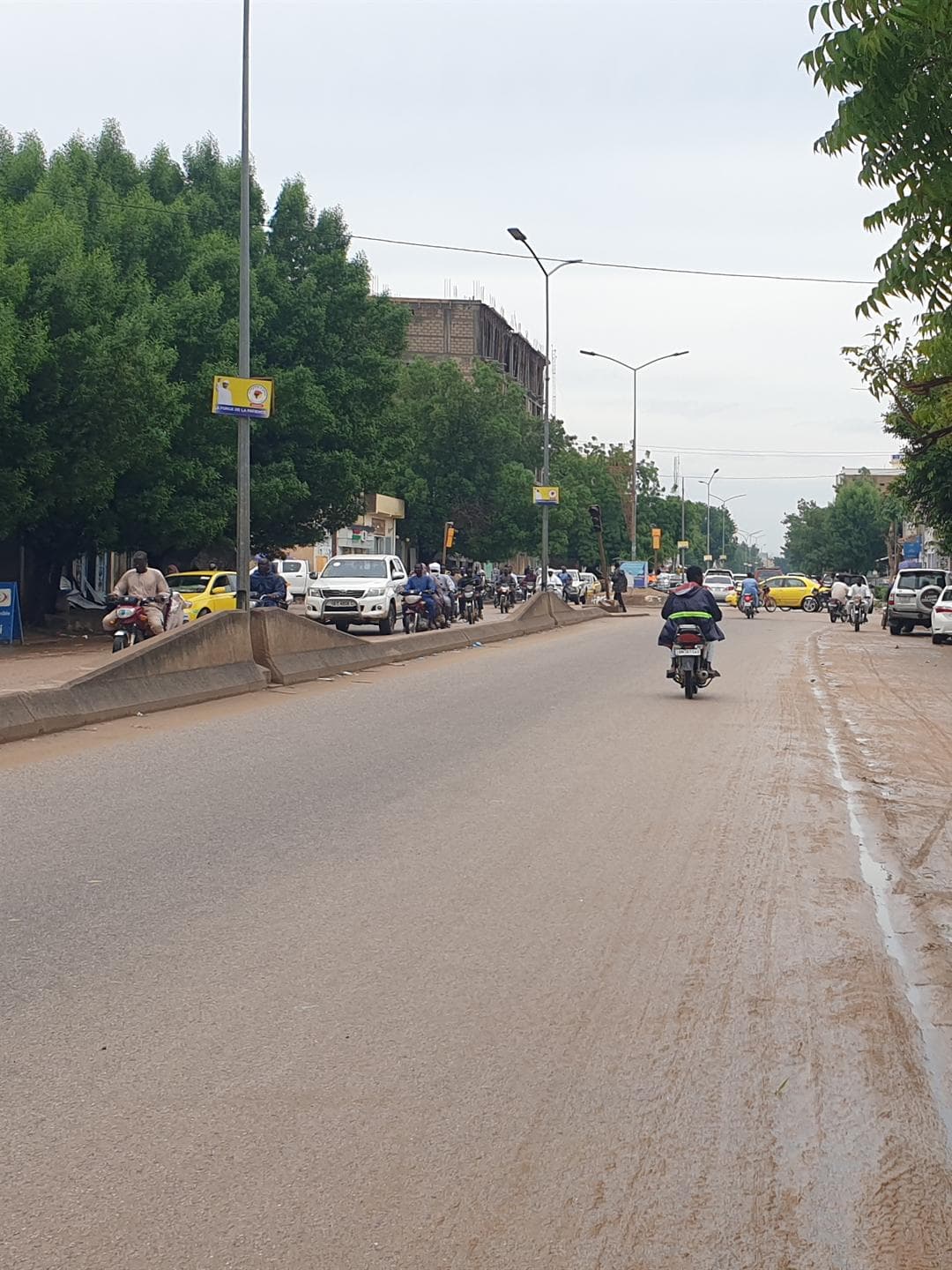
N'Djamena is growing fast, its outer neighbourhoods are poorly served, fuel prices move without warning and the night is not equally safe for everyone. These are the realities we design for.
of people in Chad have a mobile connection, but only 13 % use the internet. An app for N'Djamena has to work on a weak network and for the person booking on someone else's behalf.
There is no standard fare: the price of a minibus or clando ride is negotiated each time, and outer neighbourhoods are underserved.
of jobs in Chad are informal. Most drivers work without a contract, insurance or a record of what they earned.
of commercial moto riders in the African cities studied carry valid insurance, and helmet use stays low, especially for passengers.
the litre of petrol in February 2024, by joint ministerial order. Each fuel shock becomes a new round of bargaining and, in June 2025, a 48-hour strike of minibuses and taxis.
deaths and 1.9 million people affected by the 2024 floods in Chad. Streets change with the season; drivers who know the detours matter.
Figures from public sources; each card links to its source.
A ride-hailing service lasts when drivers earn, when people can pay the way they already pay, and when the company answers to the city it serves. Here is what we built in.
Wadini keeps a fixed amount per ride, shown to the driver before they accept and printed on every receipt. No percentage of the fare, ever.
Cash stays welcome on every ride with no extra charge. Airtel Money and Moov Money work in the app for those who prefer them.
The ride, the map and the receipt stay on the phone when the connection drops. The site works without the app, so a relative or a company can book for you.
Our agents meet every driver in person. Support answers in French and Arabic. Decisions about this city are made in this city.
New drivers pay no service fee during their first months: time to learn the app and build a clientele before contributing.
Wadini is a service of RIMA TECH SARL, a company under Chadian law with its head office in Goudji. Our terms are public, and we talk to the authorities before we open a city.
Verified drivers, a helmet on every moto with a single passenger, trips you can share live, masked calls and an SOS button on every ride.
We collect what a ride and your safety need, nothing more. Receipts are detailed for you; the statistics we share are aggregated.
Wadini is one app for very different days. A few of the trips it was designed around.
A campus on the edge of town and university buses that are often parked. A clando at a known price, shared with a friend, with a receipt for the month's budget.
Leaving the hospital at 11 pm: an identified driver, a trip the family can follow live, and no bargaining on the pavement.
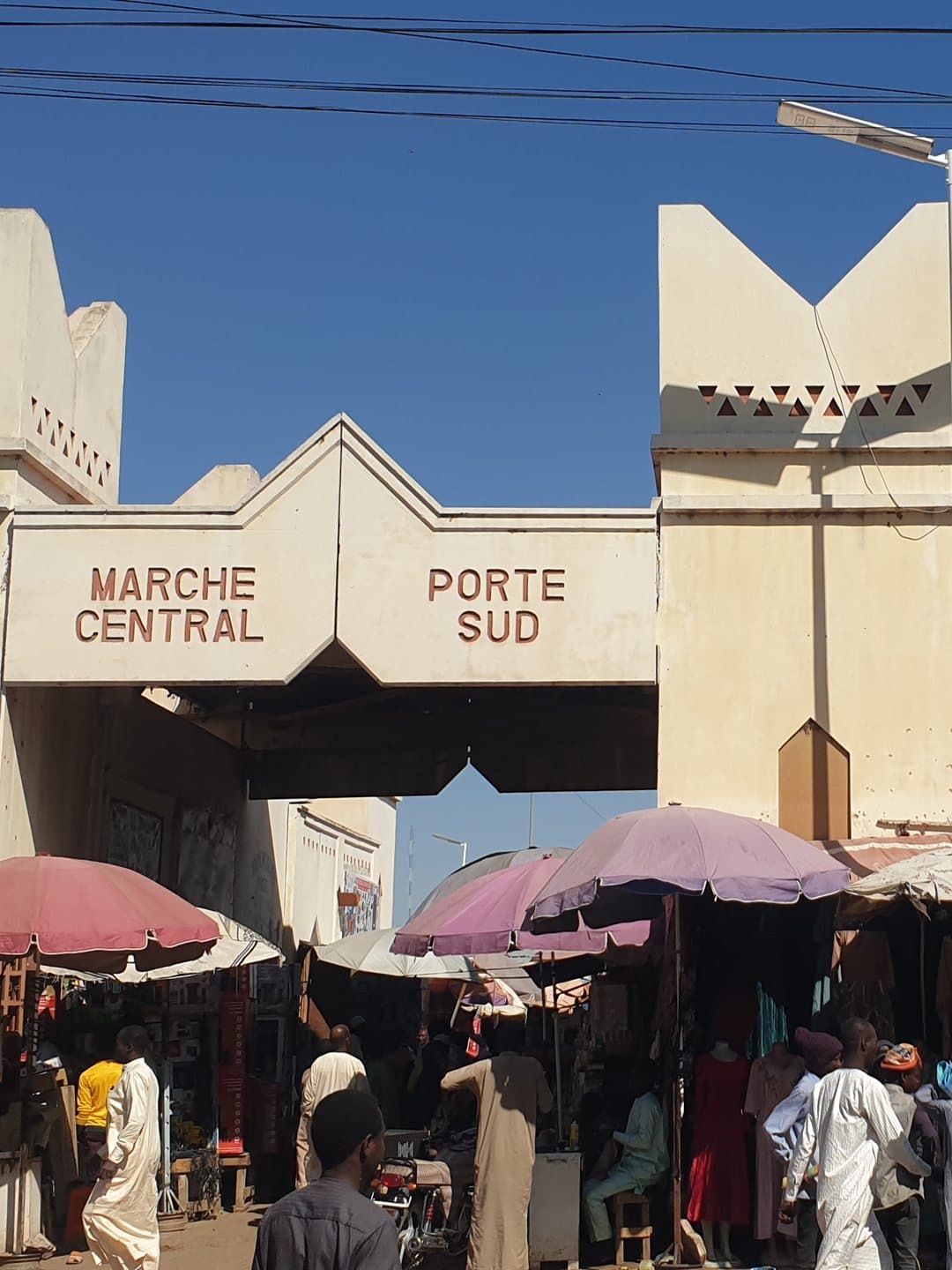
From the central market to Dembé with the day's bags: a car booked ahead, one price for both legs, and mobile money when the till is out of cash.
Landing late in N'Djamena: the price known before you land, a car booked by a relative from the site, a driver with photo and plate.
A mother books for her parents or her children, watches the trip on the map, and reaches the driver without sharing anyone's number.
One account, budgets per team, limits and a monthly report. Staff stop advancing fares and accounting gets itemised receipts.
An owner puts cars and motos to work with verified drivers under a clear written agreement. A driver without a vehicle finds one.
When a street floods, local drivers know the detours and the app keeps the ride even if the network drops.
A city works when its parts reach each other. Each Wadini ride links a neighbourhood to a hospital, a driver to an income, a trader to a market and a payment to a mobile account.
Before writing a line of code we looked at who stayed, who left and why. The pattern is consistent, and it shaped Wadini.
Uber wound down in Nigeria and Uganda in September 2026, after leaving Tanzania and Côte d'Ivoire. In Uganda, drivers had contested a 25 % commission since 2019 and some left the app to negotiate directly.
Yango was suspended for four months in Benin for operating without authorisation, and resumed only after aligning its service with local regulation.
Gozem, running since 2018 in four French-speaking countries, partnered with IFC to finance vehicles for 6,000 drivers who otherwise borrow at rates above 70 % a year.
SafeBoda, founded in Uganda in 2015, reports more than 50 million rides, over a third of its home market and 30,000 trained drivers.
Little launched in Kenya in 2016 with a 15 % commission against 25 % elsewhere, fuel discounts and a savings cooperative for drivers.
We found no reliable record of an international ride-hailing company launching, then leaving, Chad. We say it plainly: for a long time, Chad was simply left aside. Local attempts have been announced over the years; we do not know their outcome and do not comment on other services.
Wadini is a Chadian company with an office in N'Djamena and a team that meets every driver. Our fees are flat and published, our terms are online, and we work with the authorities before opening a city. We cannot promise the future; we can show what we built to last: no percentage commission, cash and mobile money, apps that work on a weak network, and decisions made here.
Every driver is checked by a Wadini agent (licence, ID, insurance), with photo and plate visible before the ride. You can share your trip live, call without giving your number and use the SOS button. On motos: a helmet for the driver and the passenger, one passenger per moto.
Yes. Cash is accepted on every ride with no extra charge. You can also pay with Airtel Money or Moov Money in the app. Either way, the price shown before you book is the price you pay.
Because they keep their fare: a flat fee per trip, no percentage, and nothing during their first months. They see the price and the fee before accepting, get rides around them, and talk to a team in N'Djamena.
One rider app, one driver app. Free to download.